
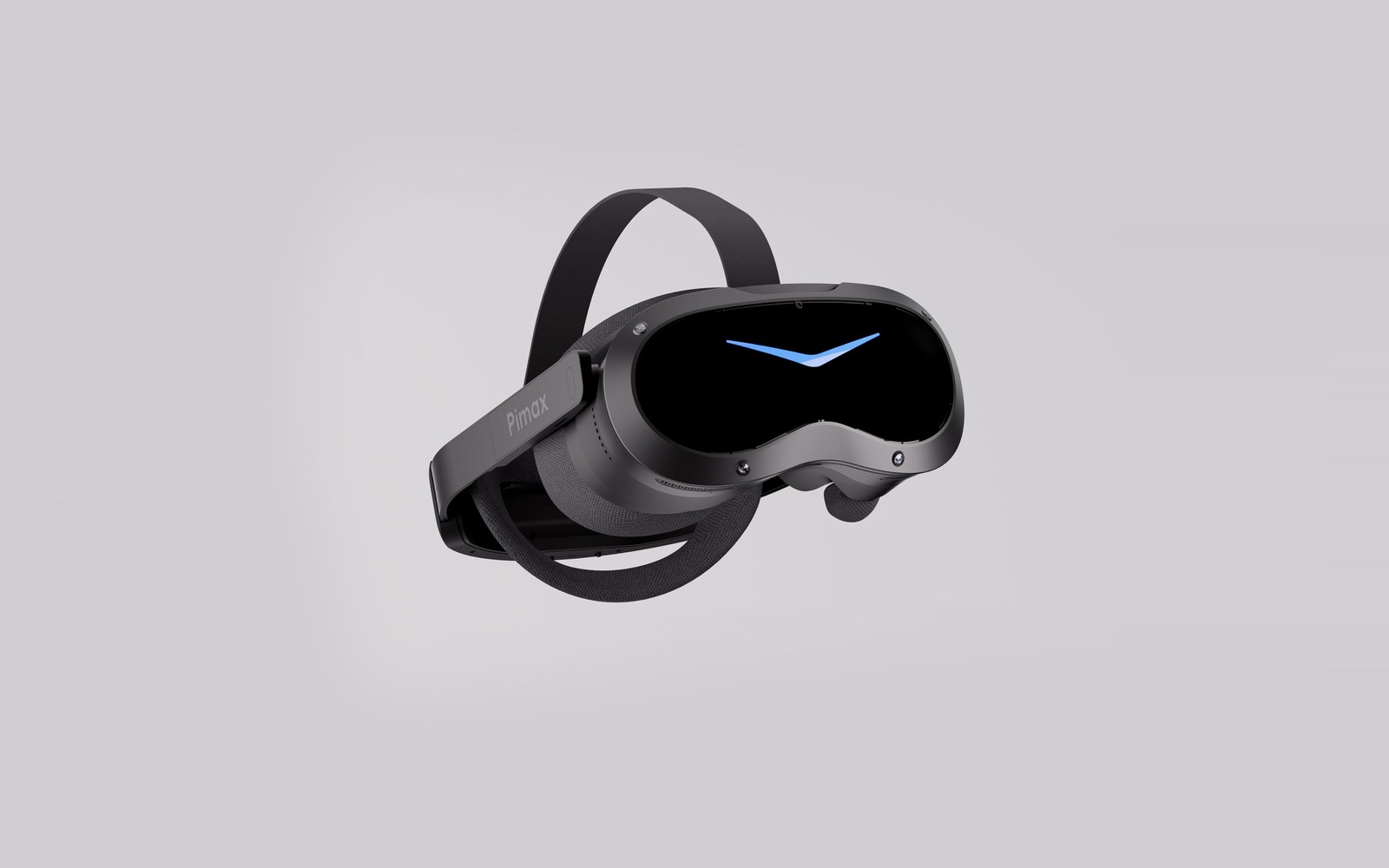

The Crystal Pro, which Pimax has just unveiled, retains the design of the Crystal Light—a favorite among sim racers—but is wireless and tracks the driver’s gaze. The headset will cost €1,299 (excluding tax) in the European store, where pre-orders are already open for €0.95, with shipments expected in spring 2027. For racing, the appeal lies less in the display itself and more in how eye tracking can reduce the load on the graphics card.
Pimax Crystal Pro: the Crystal Light’s display, without the cable
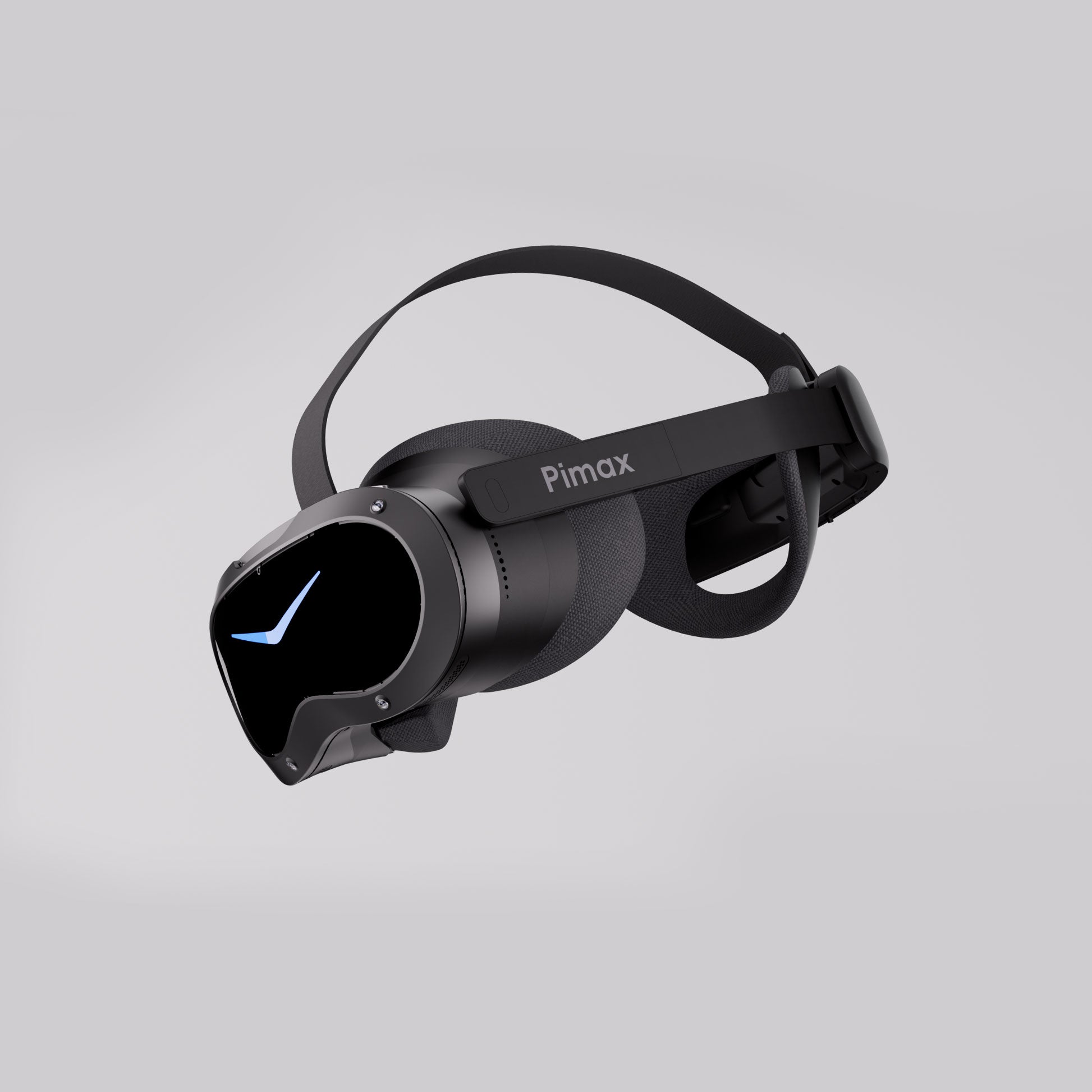
The Crystal Pro features the same display configuration as the Crystal Light, the headset many sim racers choose for viewing their dashboard during races. It features two QLED displays with a resolution of 2880 × 2880 pixels per eye—equivalent to 35 pixels per degree—with a 110° horizontal field of view and a refresh rate of up to 120 Hz. The aspheric glass lenses are the same as those used across the entire Crystal lineup. The Mini-LED backlighting maintains local dimming across 576 zones per eye, with a claimed brightness of 200 nits.
The headset, on the other hand, comes standard with Wi-Fi connectivity—including a Wi-Fi 6E adapter—and can also be used with the new optional 60G AirLink kit. It still connects via DisplayPort, just like a Crystal Light, and even works without a PC thanks to its Snapdragon chip. Its battery is external and included, rather than built into the headset.
Eye tracking: the graphics card’s key feature
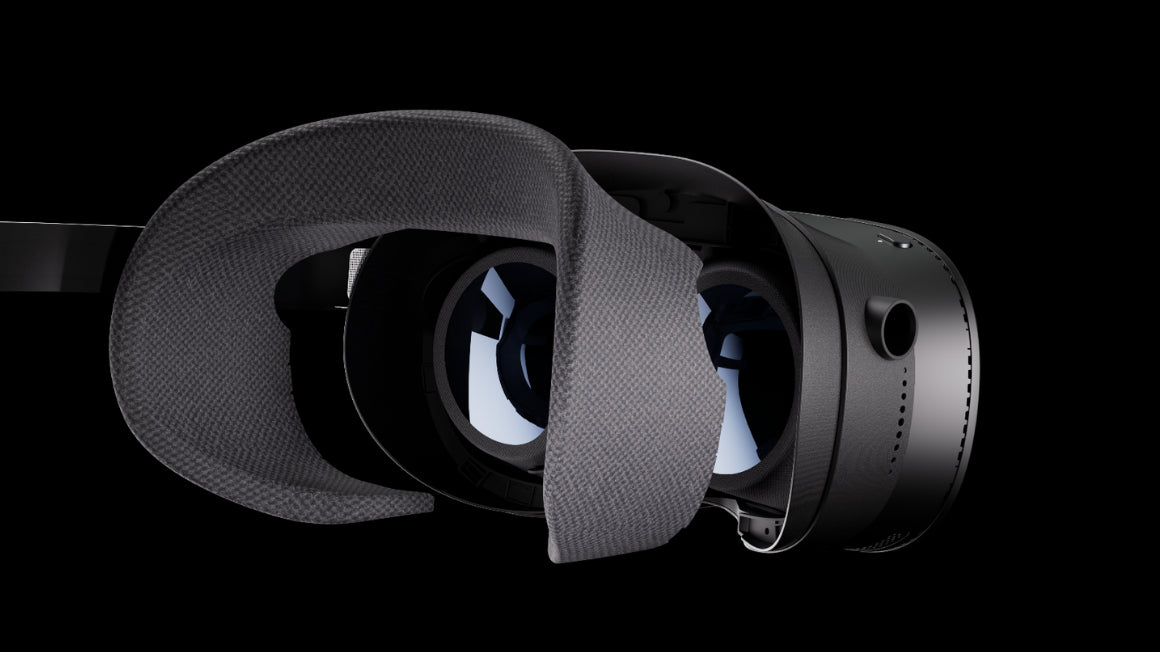
For racing, eye tracking is the most useful addition. It enables dynamic foveal rendering that follows the driver’s gaze, whereas the Crystal Light offers only static foveal rendering. With such high resolution, there’s plenty of headroom for the graphics card in games that support this technology. Pimax still recommends an RTX 3080 or an RTX 4070, just as it does for the Crystal Light.
The same tracking technology is used in high-end wireless systems. With the 60G kit, according to Pimax, the viewed area is transmitted uncompressed, directly from the graphics card. Over Wi-Fi, the image remains compressed, just like with any wireless headset. In a gaming setup, the cable is rarely a hindrance, and DisplayPort remains available for 120 Hz gameplay. Wireless connectivity will therefore be most beneficial to those who also play while standing.

Price, Pre-order, and Release Date
The Crystal Pro will come with two ring controllers, its external battery, and the Wi-Fi adapter, but without a DisplayPort cable. The new controllers without rings, unveiled on the same day, will be sold separately.
Pimax lists its prices excluding tax on its European store: €1,299 for the headset alone, with VAT added to the total. A bundle with the 60G AirLink kit is aimed at those who want a wireless, lossless experience. The reservation fee is €0.95 and is non-refundable. Pimax plans to hold demos in the fourth quarter of 2026 and begin shipping in the spring of 2027.


0 Comments